
Botox vs. Fillers: What’s the Difference and Which One Is Right for You?
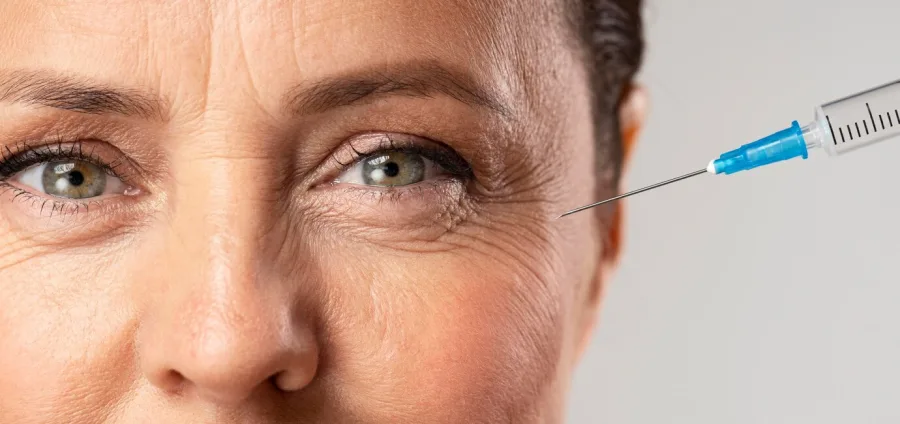
In the field of non-surgical facial aesthetics, Botox and dermal fillers are frequently spoken of together, leading many patients to believe they perform interchangeable functions. While both treatments are delivered via minimally invasive injections to reverse signs of aging, enhance facial harmony, and restore youthful vitality, their biological mechanisms, targeted anatomical layers, and aesthetic outcomes are completely distinct. Selecting the ideal treatment requires an understanding of how facial tissues age over time.
At Oral & Facial Surgery of Miami, board-certified oral and maxillofacial surgeon Dr. Johanny Caceres pairs extensive surgical mastery of deep facial musculature, vascular networks, and bone architecture with advanced aesthetic medicine. Understanding whether your cosmetic concerns stem from hyperactive muscle movement or soft tissue volume depletion is the key to achieving radiant, natural-looking results.
1. Neuromodulation vs. Volumetric Restoration: Dynamic vs. Static Facial Aging
Facial wrinkles and contours evolve through two distinct pathophysiological mechanisms: dynamic rhytids and static rhytids. Dynamic wrinkles occur as a direct result of repetitive muscle contractions during expressive facial animation (such as squinting, smiling, raising your eyebrows, or furrowing your brow). Over decades of continuous folding, the overlying dermis develops persistent creases even when the face is completely at rest. Neuromodulators like Botox target these dynamic creases at the muscular level.
Static wrinkles and facial hollows, conversely, result from gravity and chronological tissue depletion. As humans age, the body produces less collagen, elastin, and endogenous hyaluronic acid. Deep facial fat pads atrophy and descend, while the underlying craniofacial bones naturally resorb. This structural deflation produces sunken cheeks, deep nasolabial folds (smile lines), marionette lines extending down from the mouth corners, and hollow tear troughs beneath the lower eyelids. Dermal fillers address static deflation by replenishing lost structural volume beneath the skin.
2. Neurotoxin Biology: How Botox Relaxes Hyperactive Mimetic Muscles
Botox (onabotulinumtoxinA) is a purified therapeutic protein that acts as an acetylcholine release inhibitor. When injected into specific mimetic facial muscles, it binds to presynaptic cholinergic nerve endings at the neuromuscular junction. By temporarily interrupting the chemical message that commands the muscle to contract, Botox allows the targeted muscle fibers to enter a state of relaxed repose.
Because the underlying muscle stops creasing the superficial skin, the overlying epidermis smooths out dramatically. Common treatment sites include horizontal forehead lines (frontalis muscle), vertical frown lines between the eyebrows (corrugator and procerus muscles, often called the "11s"), and crow's feet at the lateral eye corners (orbicularis oculi). Results begin appearing within three to five days, reach full clinical expression at two weeks, and typically endure for three to four months before normal muscular signaling gradually resumes.
| Treatment Dimension | Neuromodulators (Botox / Dysport) | Dermal Fillers (Hyaluronic Acid / Juvéderm) |
|---|---|---|
| Primary Mechanism | Temporarily blocks acetylcholine to relax hyperactive muscles | Injects biocompatible gel matrix to replenish lost tissue volume |
| Optimal Wrinkle Type | Dynamic wrinkles caused by active facial animation and expression | Static wrinkles, hollows, and folds present when face is at rest |
| Common Treatment Zones | Forehead lines, glabella (frown lines), crow's feet, masseters for jaw slimming | Cheekbones, lips, nasolabial folds, chin projection, jawline definition |
| Onset of Action | Gradual onset over 3 to 7 days; peak results achieved at 14 days | Immediate structural volume; final integration within 7 to 10 days |
| Typical Longevity | 3 to 4 months on average | 6 to 18 months, depending on cross-linking density and metabolic rate |
3. Dermal Filler Architecture: Hyaluronic Acid Cross-Linking and Structural Support
Unlike neuromodulators that alter muscular tone, dermal fillers are physical volumizing implants delivered via fine needles or blunt-tipped microcannulas. The vast majority of modern fillers (such as the Juvéderm and Restylane product lines) are composed of cross-linked hyaluronic acid (HA), a naturally occurring glycosaminoglycan that attracts and binds up to 1,000 times its weight in water.
By varying the molecular weight and cross-linking density of the HA polymer chains, an injector can achieve distinct biomechanical effects. Highly cohesive, robust fillers are placed deep against the periosteum of the cheekbones or jawline to mimic youthful bone projection. Softer, flexible formulations are placed superficially into the vermilion border and body of the lips to restore plumpness, define the Cupid's bow, and soften fine perioral barcode lines without creating stiffness. Dermal fillers provide immediate visible transformation and last from 6 to 18 months depending on product choice and treatment site.
4. The Power of Combination Therapy and Maxillofacial Precision in Coral Gables
For comprehensive facial rejuvenation, Botox and dermal fillers are not rivals. They are synergistic partners. In advanced aesthetic planning, an oral and maxillofacial surgeon frequently utilizes combination therapy: Botox relaxes dynamic upper-face contractions around the eyes and forehead, while dermal fillers restore mid-face volume to the malar cheeks and contour the lower jawline. Relaxing hyperactive muscle movement also prolongs the lifespan of underlying fillers, as repetitive facial shearing forces break down hyaluronic acid more quickly.
Because the human face is home to intricate vascular networks, including the facial artery, angular artery, and trigeminal nerve branches, injector credentials matter tremendously. Inexperienced injectors risk misplaced products, asymmetric expressions, or severe vascular occlusions. As a board-certified oral and maxillofacial surgeon, Dr. Johanny Caceres brings deep surgical expertise to every aesthetic consultation. Her intimate mastery of facial layers ensures your injections are placed with artistic finesse, surgical precision, and uncompromised safety.
Whether you desire to soften stubborn expression lines, restore youthful cheek contours, or enhance your lips, our clinical team is here to tailor your aesthetic plan. Contact Oral & Facial Surgery of Miami today at (305) 552-1193 or request your consultation online to reveal your most confident self.