
10 Common Myths About Wisdom Tooth Removal
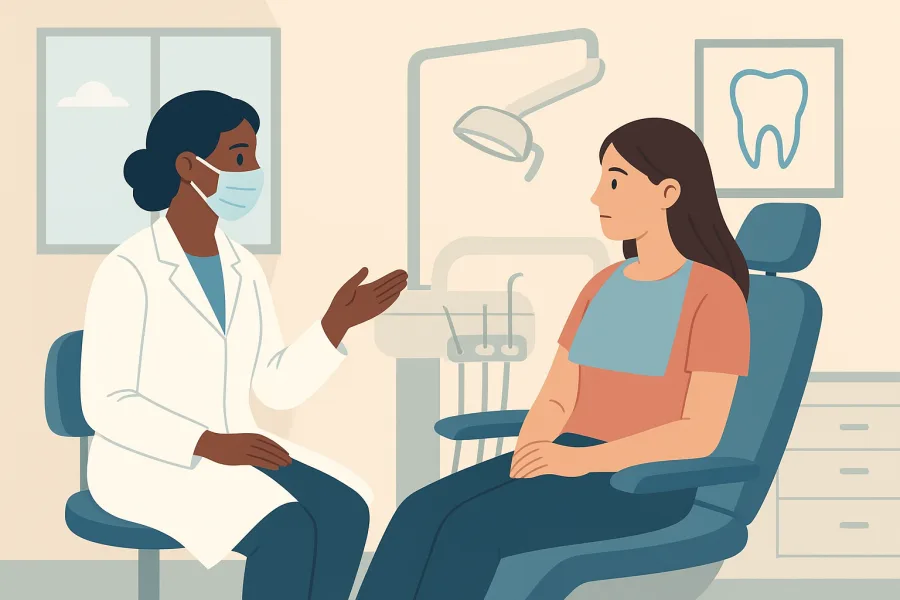
Third molar extraction is among the most frequently performed surgical procedures in the United States, yet it remains surrounded by an astonishing volume of folklore, outdated assumptions, and internet horror stories. From terrifying claims of unbearable agony to bizarre rumors that extracting wisdom teeth slims your jawline or leaves your face hollow, sensational myths frequently prevent patients from seeking timely, beneficial care.
Separating clinical reality from widespread fiction transforms an intimidating procedure into a manageable, comfortable healthcare experience. At Oral and Facial Surgery of Miami in Coral Gables, board-certified oral and maxillofacial surgeon Dr. Johanny Caceres provides evidence-based chairside clarity so you can approach your surgical treatment with complete confidence.
1. Anatomical Myths: Inevitability, Facial Shape, and Nerve Sensation
Several persistent misconceptions center on human anatomy and the universal necessity of surgery:
- Myth 1: Every person must have their wisdom teeth removed. Clinical Fact: Wisdom teeth do not automatically require extraction simply because they exist. If third molars erupt in upright alignment, establish functional biting contacts, display healthy surrounding bone, and are completely cleansable, they can be safely monitored with annual imaging. Extraction is indicated when teeth become impacted, damage adjacent molars, develop cysts, or harbor chronic bacterial infections.
- Myth 2: Removing wisdom teeth alters your jawline and slims your face. Clinical Fact: Third molars reside within the alveolar bone of the retromolar trigone and maxillary tuberosity, deep beneath thick masticatory muscles. They provide zero structural support to your cheekbones, jaw angles, or facial contour. Extracting them has zero biological effect on facial aesthetics or jaw width.
- Myth 3: Permanent nerve damage is a common complication. Clinical Fact: While sensory nerves (the inferior alveolar and lingual nerves) run near lower wisdom tooth roots, permanent paresthesia is extraordinarily rare, occurring in less than one percent of cases when managed by a board-certified oral surgeon utilizing high-resolution 3D CBCT imaging.
2. Myths About Surgical Pain, Anesthesia, and Age Limits
Anticipatory surgical anxiety is often fueled by exaggerated narratives regarding pain and age restrictions:
- Myth 4: Wisdom tooth surgery is excruciatingly painful. Clinical Fact: Modern outpatient oral surgery is completely painless during the procedure. Under targeted local anesthesia blocks combined with intravenous sedation, patients drift through treatment without sharp pain, pressure distress, or surgical recall. Post-operative discomfort is predictable and effectively managed with multimodal non-narcotic analgesics.
- Myth 5: General anesthesia is dangerous and leaves you bedridden for days. Clinical Fact: Outpatient IV sedation administered by a trained oral and maxillofacial surgeon utilizes short-acting, ultra-precise medications that clear the body rapidly, allowing patients to walk comfortably to their vehicle within forty-five minutes of surgery.
- Myth 6: Adults over thirty are too old for wisdom tooth removal. Clinical Fact: While mature bone is denser, healthy adults in their thirties, forties, and fifties undergo successful extractions every day. Techniques such as coronectomy (removing the crown while leaving nerve-adjacent roots intact) provide exceptionally safe outcomes for mature patients.
3. Fact vs. Fiction: Clinical Mythbuster Comparison Table
Reviewing common third molar myths alongside their established biological realities helps replace anxiety with facts:
| Common Patient Myth | Biological Reality | Specialist Recommendation |
|---|---|---|
| "Wisdom teeth always crowd front teeth later in life." | Late incisor crowding is driven by physiological mesial drift and aging, not third molar pressure. | Wear orthodontic retainers consistently to preserve front teeth alignment. |
| "You cannot eat anything solid for two weeks." | Patients transition from liquid to soft solid foods within 48 to 72 hours. | Enjoy scrambled eggs, pasta, avocados, and fish by post-operative day three. |
| "Dry socket happens to almost everyone." | Dry socket occurs in only 2% to 5% of cases, primarily when patients smoke or use straws. | Avoid negative intraoral suction and follow post-op instructions to prevent clot loss. |
| "Any dental clinic can handle impacted wisdom teeth." | Complex impactions require 4 to 6 years of specialized hospital surgical residency training. | Choose a board-certified oral and maxillofacial surgeon for maximum safety. |
4. Myths About Recovery and Eating: The Real Timeline with Dr. Johanny Caceres
Post-operative recovery myths often cause unnecessary panic regarding swelling and diet:
- Myth 7: Severe swelling will last for weeks. Clinical Fact: Facial swelling is a normal biological response that peaks between post-operative days two and three before steadily subsiding. By day five to seven, visible swelling is nearly unnoticeable in the vast majority of patients.
- Myth 8: You will be starved on a clear liquid diet for days. Clinical Fact: While crunchy, sharp chips and chewy meats must be avoided during early healing, you can enjoy delicious, nutrient-dense soft foods such as smoothies (eaten with a spoon), Greek yogurt, mashed potatoes, soups, and scrambled eggs immediately after bleeding ceases.
- Myth 9: Recovery takes an entire month of missed work. Clinical Fact: Most patients who undergo extractions on a Thursday or Friday morning return comfortably to their school or office routines by Monday morning.
- Myth 10: If a tooth does not hurt, it cannot cause damage. Clinical Fact: Impacted wisdom teeth are notorious for causing silent destruction. External root resorption of adjacent molars and dentigerous bone cysts rarely generate pain until catastrophic structural bone loss has already occurred.
Do not let outdated misconceptions stand between you and optimal oral health. At Oral and Facial Surgery of Miami, Dr. Johanny Caceres provides gentle, world-class surgical care in our modern surgical facility. Call (305) 552-1193 or book your consultation online to receive an honest, personalized anatomical assessment today.