
Brushing After Tooth Removal: When's It Safe?
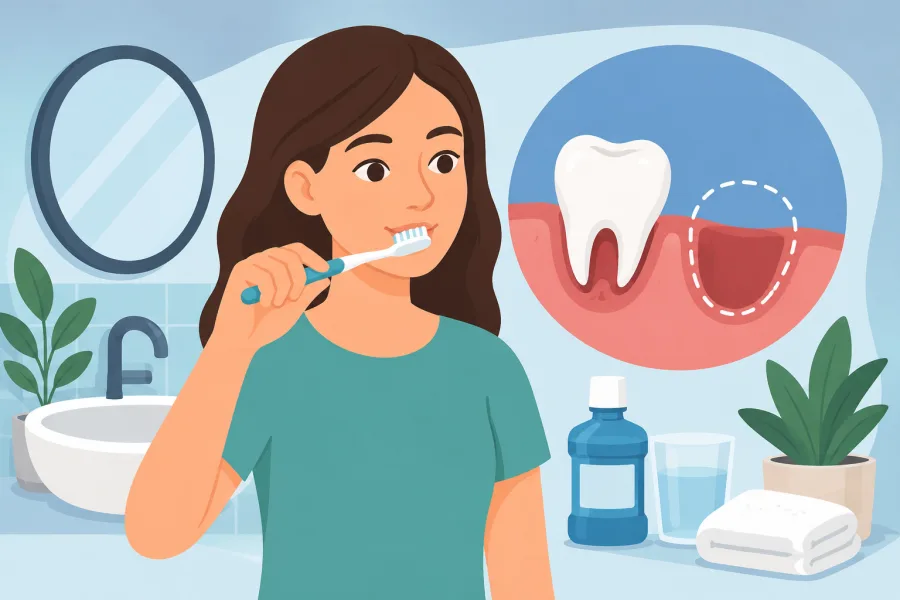
Maintaining good oral hygiene is essential for preventing bacterial infection after a tooth extraction, but brushing too aggressively or too soon can undo your body's early healing efforts. Striking the right balance between cleanliness and wound protection is one of the most common dilemmas patients face during post-operative recovery.
At Oral and Facial Surgery of Miami, board-certified oral and maxillofacial surgeon Dr. Johanny Caceres provides clear, step-by-step oral hygiene guidelines. Understanding the day-by-day protocol for cleaning your mouth ensures that your surgical sites heal cleanly without disrupting vital blood clots.
The First Forty-Eight Hours: Strict Clot Protection Protocols
During the initial twenty-four hours after surgery, your top biological priority is safeguarding the newly formed blood clot inside the extraction socket. The socket must remain undisturbed so fibrin threads can anchor firmly to surrounding bone walls.
For the first full day, do not brush teeth adjacent to the extraction site, and avoid mouthwash rinses or spitting entirely. On day two, you may begin brushing your remaining healthy teeth using a soft-bristled manual toothbrush, but steer completely clear of the surgical site. Rather than spitting toothpaste into the sink, lean over the basin and let saliva and paste fall out passively to avoid creating intraoral vacuum pressure.
| Post-Op Timeline | Permitted Brushing Technique | Interdental & Rinsing Protocol | Clinical Objective |
|---|---|---|---|
| Day 1 (First 24 Hours) | Zero brushing near extraction site; do not spit | No rinsing, mouthwash, or flossing | Uninterrupted hemostasis and fibrin clot stabilization |
| Days 2 to 3 | Gentle manual brushing on distant teeth; passive drool | Gentle warm salt water head tilts after meals | Prevent bacterial plaque without physical suction |
| Days 4 to 7 | Careful brushing up to adjacent teeth; avoid socket direct contact | Floss distant teeth; continue warm saline rinses | Support granulation tissue and mucosal epithelialization |
| Weeks 2 to 4+ | Gradual return to normal brushing; electric sonic brush reintroduction | Gentle curved syringe irrigation if prescribed by surgeon | Complete soft tissue closure and long-term oral maintenance |
Phased Hygiene Progression: Days Three Through Fourteen
As soft tissue begins to bridge the socket opening between days three and seven, you can expand your hygiene routine. Clean your teeth with gentle circular strokes, brushing the chewing and facial surfaces of teeth neighboring the socket while taking care not to let bristle tips jab into the healing wound.
Introduce warm salt water rinses (half a teaspoon of salt dissolved in eight ounces of lukewarm water) after meals. Salt water acts as a gentle natural antiseptic, reducing bacterial counts and relieving mucosal soreness without burning tender tissue. Roll your head from side to side gently to bathe the surgical area rather than swishing vigorously.
Mechanical and Chemical Traps That Compromise Socket Healing
Even well-intentioned hygiene practices can derail recovery if done improperly. Electric sonic toothbrushes should be paused for at least seven to ten days following surgery. The intense vibrations and rapid micro-movements can tear delicate dissolvable sutures and dislodge granulating tissue.
Commercial mouthwashes containing alcohol should also be avoided for at least two weeks. Alcohol dehydrates and chemically burns healing tissue margins, delaying cellular re-epithelialization. Similarly, avoid high-pressure oral irrigators (water flossers) near the surgical site for at least three to four weeks, as the pressurized water jet can blast into the socket and reopen closed bone.
Attentive Post-Operative Support at OFS Miami
At our practice, Dr. Johanny Caceres equips every patient with comprehensive post-operative kits, clear written instructions, and personalized recovery guidance. Whether you had a single tooth removed or underwent complex third molar surgery under outpatient IV twilight sedation, our clinical team is always available to answer hygiene questions.
When replacing missing teeth with advanced dental implants, our surgical center provides attentive follow-up visits to monitor soft tissue health. Adhering to structured post-op hygiene ensures a comfortable, infection-free recovery and sets the stage for a lifetime of radiant oral health.
Experience comfortable surgical care and attentive recovery support. Contact Oral and Facial Surgery of Miami at (305) 552-1193 or schedule your consultation online today.