
Signs of Infection After Oral Surgery in Diabetic Patients
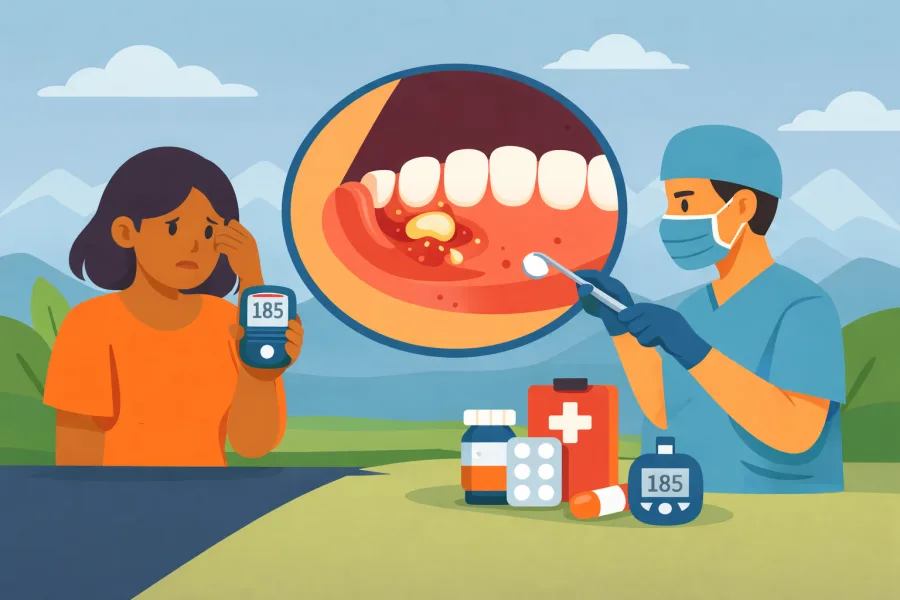
Undergoing oral surgery as a diabetic patient requires specialized surgical consideration. Whether you are having impacted third molars removed, dental implants placed, or a bone graft performed, diabetes alters the fundamental biology of tissue healing. While surgical procedures are routinely performed with high safety for diabetic individuals, elevated blood glucose changes how blood vessels respond, how white blood cells attack bacteria, and how fast surgical sockets close.
Recognizing early signs of post-operative infection is essential. In diabetic patients, an infection that begins as minor surgical site inflammation can escalate quickly into localized osteomyelitis or systemic metabolic instability. Understanding the biological mechanisms at play, watching for subtle red flags, and coordinating with an experienced oral surgeon ensures a smooth, predictable recovery.
1. The Diabetic Microenvironment: Why Blood Sugar Affects Oral Healing
Wound healing inside the mouth requires an immediate, coordinated cascade of cellular events: blood clot formation, inflammatory response, capillary angiogenesis (new vessel growth), and collagen synthesis. Chronic hyperglycemia impairs this process through several distinct biological pathways:
- Impaired Neutrophil Chemotaxis: Polymorphonuclear leukocytes (the primary white blood cells defending against bacteria) become sluggish in a high-glucose environment. Their ability to migrate toward bacteria, engulf pathogens (phagocytosis), and produce intracellular bactericidal enzymes is significantly reduced.
- Microvascular Compromise: Longstanding diabetes thickens the basement membrane of small capillaries throughout the oral mucosa and alveolar bone. This reduces microvascular blood flow, limiting the delivery of oxygen, vital nutrients, and systemic antibiotics to the extraction socket.
- Advanced Glycation End-Products (AGEs): Excess glucose binds irreversibly to structural proteins, forming cross-linked compounds known as AGEs. These compounds stiffen collagen bundles, impede fibroblastic proliferation, and prolong tissue breakdown, making surgical incisions slower to seal.
2. Early vs. Advanced Infection Signs: What Diabetic Patients Must Monitor
Every surgical patient experiences some initial swelling and soreness. However, normal post-operative symptoms peak within 48 to 72 hours and steadily subside. In diabetic patients, an infection often presents with specific deviations from this normal healing curve:
| Clinical Sign | Normal Expected Recovery | Infection Warning (Diabetic Alert) |
|---|---|---|
| Facial Swelling | Soft, peaks at day 2 or 3, then steadily decreases. | Rebound swelling after day 4; tissue feels firm, hot, or board-like. |
| Surgical Site Pain | Dull ache managed with prescribed medications, improving daily. | Intensifying throbbing that radiates into ear, temple, or neck; unresponsive to analgesics. |
| Wound Appearance | Dark red blood clot progressing to healthy pinkish-white granulation tissue. | Absence of a stable clot (dry socket), white or yellowish pus exudate, or persistent gaping margins. |
| Systemic Temperature | Normal body temperature or low-grade elevation (under 100°F) in first 24 hours. | Fever exceeding 100.5°F, chills, night sweats, or general weakness. |
| Blood Glucose Levels | Predictable readings aligned with meal schedule and insulin or oral medications. | Unexplained glucose spikes that remain elevated despite regular medications (a classic sign of occult infection). |
3. Perioperative Glucose Management: Minimizing Infection Risks
Preventing infection begins well before you sit in the surgical chair. Achieving tight glycemic stability during the perioperative window dramatically improves healing outcomes:
- Target HbA1c Guidelines: For elective procedures like dental implant placement or sinus lifts, an HbA1c below 7.0% to 7.5% is ideal. If HbA1c exceeds 8.5%, elective bone surgery is often deferred until metabolic control improves, though urgent infection drainage is never delayed.
- Morning Appointment Scheduling: Booking surgery in the morning minimizes fasting stress and allows you to adhere to your routine insulin or oral hypoglycemic schedule with minimal disruption.
- Pre-Surgical Antimicrobial Rinses: Using a prescription 0.12% chlorhexidine gluconate rinse starting 24 to 48 hours before surgery reduces intraoral bacterial colonies at the planned incision lines.
- Nutritional Soft-Diet Planning: Plan nutrient-rich diabetic soft meals in advance (such as unsweetened Greek yogurt, protein broths, pureed avocado, and scrambled eggs) to prevent hypoglycemia or glucose spikes while chewing is restricted.
4. Advanced Surgical Protocols at Oral & Facial Surgery of Miami
At our practice, board-certified oral and maxillofacial surgeon Dr. Johanny Caceres uses specialized surgical protocols tailored to medically complex and diabetic patients:
- Atraumatic Minimally Invasive Extraction: Using micro-surgical periotomes and piezosurgery, we preserve cortical bone plates and periosteal blood supply, minimizing trauma to compromised microvessels.
- Platelet-Rich Fibrin (PRF) Biological Membranes: Derived from a small sample of your own blood, PRF concentrates autologous platelets, leukocytes, and vascular growth factors. Placing a PRF clot directly into the extraction socket seals the bone, promotes rapid capillary ingrowth, and protects diabetic patients against infection and dry socket.
- Close Clinical Follow-Up: Diabetic patients receive scheduled early post-operative evaluations in our office to examine socket granulation, verify tissue closure, and confirm stable glycemic numbers.
If you are a diabetic patient preparing for oral surgery or if you suspect an infection is developing after an extraction or implant procedure, timely expert care makes all the difference. Contact Oral and Facial Surgery of Miami at (305) 552-1193 or request an evaluation online.