
Is Wisdom Tooth Removal Painful? Real Patient Guide
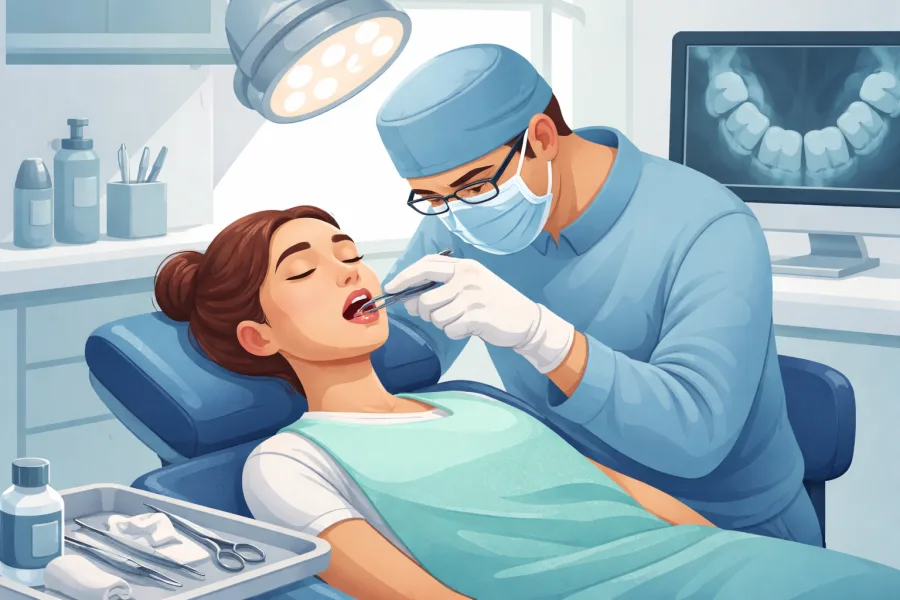
If you have been avoiding wisdom tooth removal because you are terrified of the pain, you are far from alone. For decades, pop culture and dramatic playground stories have painted third molar surgery as a brutal rite of passage. The reality in a modern oral and maxillofacial surgery practice is completely different. Thanks to advanced pharmacological anesthesia, targeted long-acting nerve blocks, and minimally invasive bone-sparing techniques, patients routinely tell us the actual experience was remarkably easy and far less uncomfortable than they imagined.
At Oral & Facial Surgery of Miami, board-certified oral surgeon Dr. Johanny Caceres prioritizes complete patient comfort before, during, and after surgery. Understanding exactly what you will feel at each step of the process dispels the mystery, replaces dread with calm, and helps you prepare for a seamless recovery.
1. During Surgery: Why You Will Not Feel Pain
The most common question patients ask chairside is straightforward: "Will it hurt while you are taking them out?" The definitive clinical answer is no. During the surgical procedure itself, sharp pain is completely eliminated through carefully tailored anesthesia options.
Total Local Neuro-Blockade: Even if you remain awake, your surgical sites are thoroughly numbed using targeted local anesthetics. These medications block the sodium channels along the inferior alveolar, lingual, and superior alveolar nerves, completely shutting down pain signal transmission to the brain. While sensory mechanoreceptors still detect non-painful pressure and gentle movement, sharp nociceptive sensations are completely blocked.
Twilight IV Sedation (Conscious Sedation): The overwhelming majority of our patients in Coral Gables choose intravenous (IV) sedation. Administered directly in our surgical suite with continuous cardiac and respiratory monitoring, IV sedation places you into a deeply relaxed, dream-like state. You breathe independently and comfortably, yet you feel zero anxiety, lose all perception of passing time, and have little to no memory of the procedure once you wake up. For most patients, an hour of surgical care feels like it lasted only a few seconds.
| Recovery Phase | Physical Sensations to Expect | Most Effective Management Strategy |
|---|---|---|
| In the Surgical Chair | Zero sharp pain. Under IV sedation, deep peaceful relaxation with complete amnesia of the extraction. | Continuous IV sedation and comprehensive local anesthetic nerve blocks. |
| Hours 0 to 6 Post-Op | Lips, tongue, and cheeks feel numb and heavy. Mild initial pressure as local anesthetic gently recedes. | Take your first dose of pain medication before numbness fully wears off; apply external ice packs. |
| Days 1 to 3 | Dull, muscular soreness along the jaw angles; moderate cheek swelling and tightness when opening wide. | Scheduled ibuprofen and acetaminophen combination; 20 minutes on/off cold packs; smooth, cool foods. |
| Days 4 to 7 | Swelling drops rapidly. Discomfort transitions to mild stiffness as incisions seal. | Switch to moist warm compresses; gentle warm saltwater rinses after meals; gradual advance to soft solids. |
2. After Surgery: Navigating the 72-Hour Post-Op Timeline
Once surgery is complete, what should you realistically expect during recovery? The sensation after third molar extraction is typically described not as acute, unbearable agony, but as a dull, tired muscular soreness similar to an intense workout for your jaw.
The First Six Hours (The Critical Window): Before you leave our recovery suite, Dr. Caceres administers long-acting local anesthetics such as bupivacaine, which keep surgical sites comfortable for several hours after you arrive home. The single most important rule of post-op pain management is to take your first prescribed analgesic dose while your lips are still numb. Staying ahead of the discomfort curve prevents inflammatory pain receptors from becoming sensitized.
Days 2 and 3 (Peak Swelling, Not Peak Pain): Your body's natural inflammatory healing cascade peaks between 48 and 72 hours post-surgery. You may wake up on day two or three with noticeable cheek fullness and difficulty opening your mouth wide. This stiffness (trismus) is caused by fluid accumulation in the surrounding facial muscles, not active surgical damage. Consistent cold therapy and sticking to your scheduled medications keeps this phase fully manageable.
3. Modern Pain Control: Why Narcotic Opioids Are Rarely Necessary
There is a widespread misconception that surviving wisdom tooth recovery requires heavy, mind-fogging prescription opioids. Modern clinical pharmacology has revolutionized oral surgery pain control through multimodal, non-opioid strategies that are both safer and significantly more effective.
The Synergistic NSAID and Acetaminophen Protocol: Extensive clinical studies published in the Journal of the American Dental Association demonstrate that staggering a therapeutic dose of ibuprofen (an anti-inflammatory NSAID) with acetaminophen (a central analgesic) delivers superior pain relief compared to codeine or hydrocodone, without the nausea, dizziness, constipation, or addiction risks associated with narcotics.
Preventive Anti-Inflammatory Therapy: In addition to non-narcotic pain relievers, Dr. Caceres often administers a single dose of intravenous dexamethasone (a gentle corticosteroid) at the time of surgery. This suppresses inflammatory enzyme pathways before tissue swelling ever develops, dramatically reducing post-operative soreness and accelerating your return to regular daily activities.
4. Safeguarding Your Recovery: Preventing Dry Socket and Complications
The vast majority of unexpected pain after third molar surgery is completely preventable. The primary cause of severe late-onset pain is alveolar osteitis, commonly known as dry socket. Dry socket occurs when the protective blood clot resting in the extraction site is dislodged or dissolved prematurely, exposing sensitive underlying bone to the oral environment.
You can easily protect your surgical sites by adhering to simple post-operative guidelines:
- No Suction: Strictly avoid drinking through straws, smoking cigarettes, or vaping for at least one full week. Negative intraoral suction pulls clots right out of their sockets.
- No Forceful Spitting or Vigorous Rinsing: For the first 24 hours, do not spit forcefully or rinse your mouth aggressively. Let fluids roll gently out of your mouth into the sink.
- Stick to a Soft Diet: Nourish your body with smooth, cool foods like Greek yogurt, fruit smoothies (eaten with a spoon), lukewarm broths, and scrambled eggs before advancing to soft pastas.
Putting off needed wisdom tooth removal only increases surgical complexity as tooth roots grow longer and jawbone becomes denser with age. If you have been letting dental fear delay your treatment, let Dr. Johanny Caceres and the compassionate team at Oral & Facial Surgery of Miami provide the gentle, comfortable care you deserve. Call Oral and Facial Surgery of Miami at (305) 552-1193 or book your consultation online today.