
Are You a Candidate for IV Sedation During Oral Surgery?
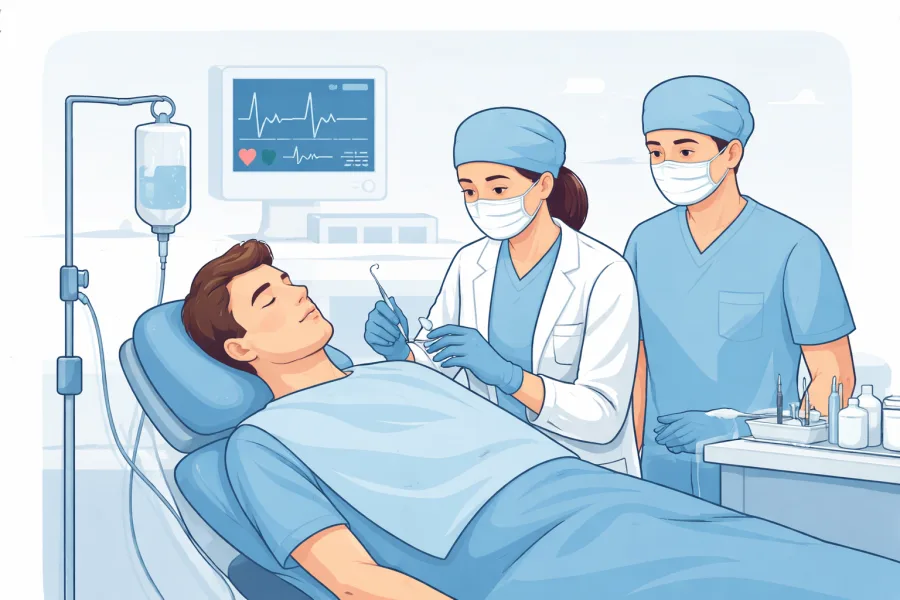
For many patients anticipating oral surgery, the thought of being fully awake, hearing surgical sounds, and feeling physical pressure can create intense dread. Fortunately, modern outpatient oral and maxillofacial surgery does not require you to endure anxiety in the treatment chair. Intravenous (IV) sedation, commonly called twilight anesthesia, offers a safe, deeply relaxing modality that allows you to drift through your procedure without pain, distress, or lingering memory.
At Oral and Facial Surgery of Miami, board-certified oral and maxillofacial surgeon Dr. Johanny Caceres holds specialized hospital-based anesthesia licensing. Evaluating who qualifies for IV sedation, how it works, and how it compares to other anesthesia levels ensures you choose the ideal level of comfort for your surgical needs.
What Is IV Sedation? The Twilight Sleep Experience Explained
Intravenous sedation involves administering specialized calming and analgesic medications directly into your bloodstream via a small intravenous catheter placed in your arm or hand. Unlike general anesthesia used in hospital operating rooms, which requires an endotracheal breathing tube and ventilator support, IV conscious or moderate sedation allows you to breathe independently and maintain natural protective airway reflexes.
Within seconds of starting the IV infusion, a warm, peaceful sensation blankets your body, guiding you into a deeply relaxed twilight state. Most patients fall asleep naturally. A major clinical benefit of IV sedation is retrograde amnesia, meaning you will awaken with virtually zero memory of the surgical sounds, instruments, or duration of the procedure. To you, a 45-minute surgery feels like it lasted only seconds.
| Sedation Modality | Consciousness Level | Amnesia & Anxiety Relief |
|---|---|---|
| Local Anesthesia Alone | Fully awake, alert, aware of all sensations | Zero amnesia, no systemic anxiety relief; prevents physical pain only |
| Nitrous Oxide (Laughing Gas) | Lightly relaxed, responsive, awake | Mild anxiety reduction, rapid recovery; patient retains memory of visit |
| Oral Conscious Sedation | Drowsy, relaxed, may doze off lightly | Moderate anxiety relief, variable amnesia, prolonged grogginess |
| Intravenous (IV) Sedation | Twilight sleep, peaceful, deeply relaxed | Profound anxiety relief, complete procedural amnesia, rapid recovery |
Who Is an Ideal Candidate for Intravenous Sedation?
IV sedation is suitable for a wide variety of patients and clinical situations:
- Moderate to Severe Dental Anxiety: Patients who experience panic attacks, racing heart rates, or intense apprehension when visiting a dentist.
- Complex or Multi-Quadrant Surgery: Individuals undergoing extraction of four impacted wisdom teeth, bone grafting, or full-arch dental implant reconstruction.
- Hyperactive Gag Reflexes: Patients whose gag reflexes make standard intraoral instruments or dental impressions uncomfortable or intolerable.
- Resistance to Local Numbing: Patients with anatomical variations or psychological anxiety that makes achieving profound local anesthesia difficult while awake.
Medical Screening, Fasting Protocols, and Safety Contraindications
Before approving a patient for outpatient IV sedation, Dr. Caceres conducts an exhaustive medical health review. Generally, candidates must fall within American Society of Anesthesiologists (ASA) Physical Status Class I (healthy) or Class II (mild, well-controlled systemic conditions such as controlled high blood pressure or non-insulin diabetes).
Safety requires strict adherence to pre-anesthesia fasting. Patients must consume zero food, liquids, water, chewing gum, or mints for at least eight hours prior to their procedure to prevent pulmonary aspiration. Additionally, patients must arrange for a responsible adult companion to accompany them, remain at the facility during surgery, and drive them home.
Board-Certified Anesthesia Oversight at OFS Miami
At our practice, our surgical suite is outfitted to hospital anesthesia standards. Dr. Johanny Caceres completed intensive hospital residency rotations in general anesthesiology, qualifying her to administer and monitor intravenous sedation safely.
Throughout your visit, real-time monitors continuously evaluate your heart rhythm (EKG), blood pressure, oxygen saturation, and end-tidal CO2 capnography. When you choose IV sedation at our practice, you receive the highest caliber of medical safety in a serene, boutique environment.
Find out if IV sedation is right for your upcoming surgical procedure. Contact Oral and Facial Surgery of Miami today at (305) 552-1193 or schedule your consultation online today.