
Tips for Managing Pain Without Overusing Medication
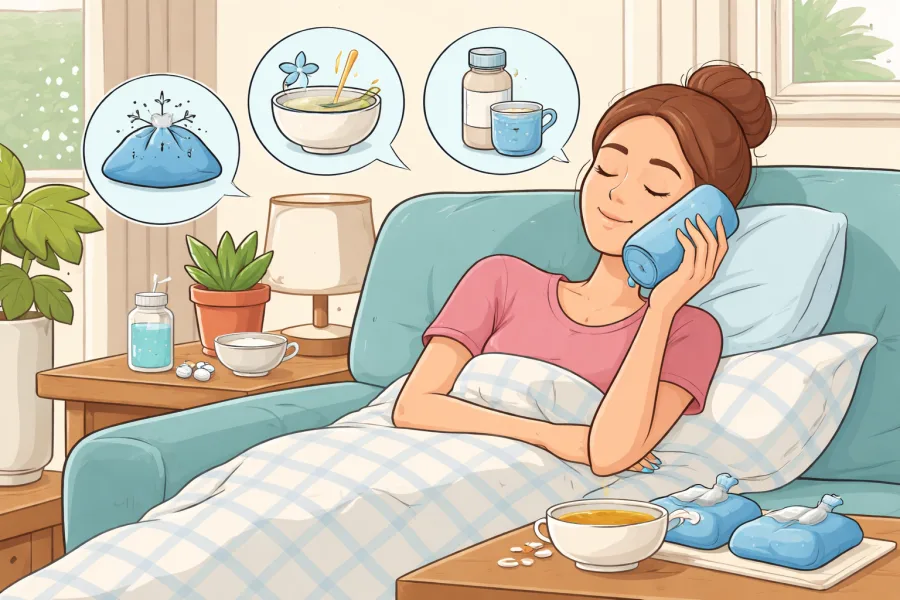
Undergoing oral and maxillofacial surgery naturally raises questions about postoperative comfort and pain control. While prescription medications serve an important short-term clinical role for acute surgical discomfort, many patients prefer to minimize drug dependency and avoid undesirable side effects such as nausea, dizziness, and gastrointestinal irritation. By integrating clinically validated non-pharmacological modalities with targeted holistic recovery techniques, patients can manage surgical swelling and discomfort safely and comfortably.
At Oral and Facial Surgery of Miami, board-certified oral and maxillofacial surgeon Dr. Johanny Caceres emphasizes multimodal pain management protocols that minimize opioid reliance. Combining proactive physical therapies, natural anti-inflammatory protocols, and precise home care practices allows South Florida patients to experience a gentle, smooth recovery without overusing medication.
The Physiology of Post-Surgical Oral Discomfort
Postoperative discomfort following wisdom tooth removal, bone grafting, or dental implant surgery is largely driven by acute localized inflammation. When tissue is incised or manipulated, the body initiates a vascular cascade that floods the surgical site with inflammatory mediators, including prostaglandins, histamines, and bradykinins. These chemical messengers stimulate local nociceptors and increase vascular permeability, leading to fluid accumulation and tissue edema.
Because expanding edema exerts physical pressure on surrounding sensory nerve endings, controlling the physical progression of swelling directly reduces perceived pain levels. Preventing excessive inflammatory fluid accumulation during the first forty-eight hours after surgery eliminates much of the intense throbbing sensation that frequently prompts patients to reach for stronger pharmaceutical painkillers.
Cold Therapy and Physical Interventions
Targeted cold therapy represents one of the most effective non-pharmacological tools for immediate pain relief. Applying flexible ice packs wrapped in soft cloth to the external cheeks induces vasoconstriction, constricting microvascular blood flow and sharply slowing inflammatory fluid extravasation. Cold application also temporarily slows nerve conduction velocity, providing a natural localized numbing effect.
To achieve maximum efficacy, patients should apply ice packs for twenty minutes on followed by twenty minutes off throughout the first forty-eight hours. Head elevation is equally critical. Resting in an inclined position at approximately forty-five degrees using extra pillows or a reclining chair harnesses gravity to drain venous blood and lymphatic fluid away from the head and neck, preventing painful morning throbbing.
| Recovery Technique | Physiological Mechanism | Recommended Protocol | Ideal Healing Window |
|---|---|---|---|
| External Cold Therapy | Vasoconstriction reduces swelling and blunts nerve signals | 20 minutes on, 20 minutes off while awake | First 24 to 48 hours post-op |
| Head Elevation | Facilitates gravitational lymphatic and venous drainage | Rest with upper body propped at 45 degrees | Days 1 through 5 post-op |
| Warm Saline Rinses | Draws out excess fluid and sanitizes healing tissues | Half teaspoon salt in warm water, gentle tilt | Starting 24 hours post-op |
| Moist Heat Application | Dilates vessels to clear residual edema and relax jaw muscles | Warm compress for 20 minutes several times daily | Day 3 onward until healed |
Nutritional Anti-Inflammatory Support and Gentle Rinses
What you consume during recovery strongly influences systemic inflammatory pathways. Incorporating natural anti-inflammatory foods such as smoothies rich in wild blueberries, spinach, and avocado supplies essential bioflavonoids, zinc, and vitamin C that accelerate cellular healing. Conversely, refined sugars, ultra-processed snacks, and high-sodium broths exacerbate systemic inflammation and fluid retention.
Beginning twenty-four hours after surgery, gentle warm saline rinses provide tremendous physical relief. Dissolving half a level teaspoon of salt in eight ounces of lukewarm water creates an isotonic rinse that cleanses the surgical site, draws out inflammatory fluid through gentle osmosis, and soothes tender mucosal tissue without chemical irritation. Patients must tilt their head side to side gently and let the water fall into the sink, avoiding vigorous swishing or spitting that could dislodge stabilizing blood clots.
Comprehensive Surgical Care at OFS Miami
While non-medication strategies provide exceptional comfort for ordinary surgical healing, sudden or severe throbbing that peaks after day three may indicate a complication, such as a dry socket or secondary bacterial infection. These issues require professional clinical evaluation rather than unguided home treatment.
At Oral and Facial Surgery of Miami, Dr. Johanny Caceres provides each patient with comprehensive, personalized recovery instructions tailored to their specific surgical procedure. If you have questions about managing recovery comfort or wish to discuss advanced sedation and surgical options, contact our team at (305) 552-1193 or schedule your appointment online.