
Speed Up Your Wisdom Teeth Recovery with These Practical Tips
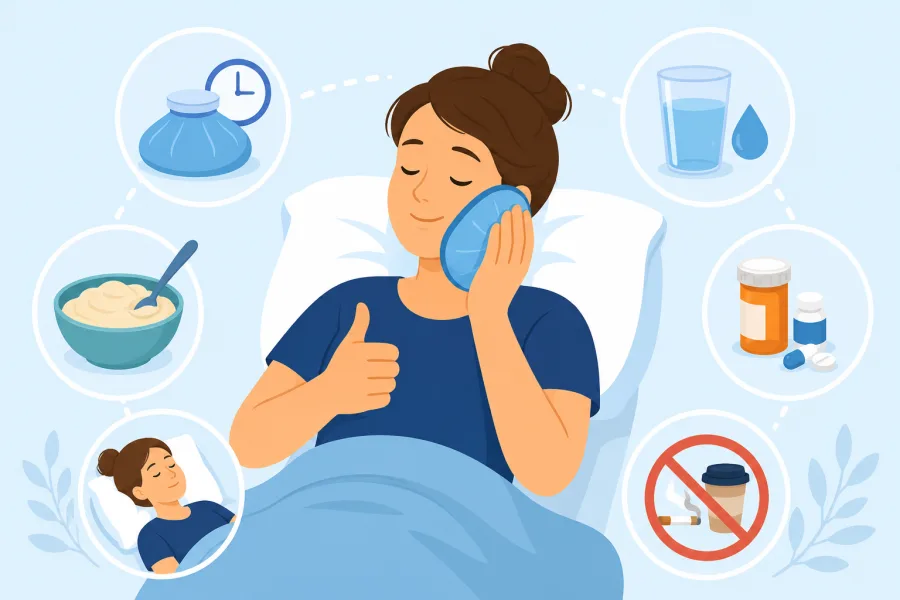
Having your wisdom teeth removed is a major step toward protecting your dental alignment, jawbone density, and long-term oral health. While the surgical procedure itself is completely painless under modern anesthesia, what you do in the comfort of your home over the following week directly dictates how quickly and smoothly you heal. Following a disciplined, clinically proven recovery protocol can mean the difference between a restful weekend on the couch and days of avoidable soreness.
At Oral & Facial Surgery of Miami, Dr. Johanny Caceres provides every patient with comprehensive post-operative instructions tailored to their specific surgical case. Whether you had four routine extractions or complex bony impactions, mastering these core recovery principles will keep swelling minimal, eliminate infection risks, and accelerate your return to normal daily life.
1. The 72-Hour Foundation: Hemostasis, Swelling Control, and Head Elevation
The first three days following oral surgery represent the critical biological window for wound stabilization. During this period, your body forms fragile fibrin clots inside the empty extraction sockets. Protecting these clots is your single most important priority, as they shield underlying alveolar bone and sensory nerves while serving as the scaffolding for new bone tissue.
Hemostasis and Gauze Pressure: For the first several hours after returning home, bite down with steady, gentle pressure on the sterile gauze pads placed over your surgical sites. If oozing persists after removing the initial gauze, place a fresh, slightly dampened gauze pad over the site for another 30 to 45 minutes. Alternatively, a damp black tea bag wrapped in gauze works wonders; the natural tannic acid in black tea is a potent local vasoconstrictor that rapidly halts capillary bleeding.
Head Elevation: Never lie completely flat on your back during the first 72 hours. When your head is level with your heart, arterial blood pressure inside facial capillaries increases, accelerating tissue edema and throbbing. Sleep propped up on two or three firm pillows or rest comfortably in a recliner chair.
Cold Therapy: Facial swelling peaks naturally between 48 and 72 hours post-surgery. Combat this inflammatory response immediately by applying ice packs or chilled gel compresses to the outside of your cheeks on a strict schedule of 20 minutes on followed by 20 minutes off.
| Recovery Phase | Key Daily Priorities | Safe Dietary Guidelines |
|---|---|---|
| Day 1 (Surgery Day) | Maintain gauze pressure; apply 20 min on/off cold packs; sleep with head elevated; take pain meds before numbness fades. | Smooth, cold liquids and purees: Greek yogurt, applesauce, chilled bone broth, fruit smoothies eaten strictly with a spoon (no straws). |
| Days 2 to 3 | Continue ice until hour 48; begin gentle warm saltwater rinses after 24 hours; rest quietly and avoid physical exertion. | Nutrient-dense soft foods: lukewarm pureed vegetable soups, mashed potatoes, scrambled eggs, ripe avocado, oatmeal. |
| Days 4 to 5 | Switch from ice to moist warm compresses on jaw; perform gentle jaw opening exercises to relieve muscular stiffness. | Soft chewable solids: flaky white fish, well-cooked pasta, soft shredded chicken, mac and cheese, steamed vegetables. |
| Day 6 and Beyond | Resume normal gentle tooth brushing near rear molars; rinse sockets after meals if provided a curved irrigation syringe. | Gradual return to regular diet; continue strictly avoiding hard popcorn, nuts, seeds, and crunchy tortilla chips for 2 to 3 weeks. |
2. Nutritional Fuel: What to Eat and What to Strictly Avoid
Your body consumes substantial cellular energy synthesizing new collagen and granulating tissue over surgical sites. Fasting or surviving on pure water leaves you weak, dizzy, and prone to delayed healing. The key is delivering high-protein, nutrient-dense calories without irritating the healing gums.
The Golden Rule of Liquids: Absolutely No Straws. Creating negative suction inside your mouth acts like a plunger, pulling the protective blood clot right out of its socket and triggering a painful dry socket. Always sip beverages directly from a glass or eat smoothies with a small spoon.
High-Risk Foods to Ban for Two Weeks: Avoid any foods that fracture into small, sharp granules during chewing. Items such as popcorn hulls, sesame seeds, nuts, potato chips, and raw carrots can easily slide down inside extraction sockets, causing localized foreign-body infections and reopening closed tissue flaps. Additionally, avoid acidic citrus juices and spicy peppers that irritate sensitive surgical incisions.
3. Gentle Oral Hygiene: Keeping Sockets Clean Without Trauma
Maintaining a clean oral environment prevents bacterial plaque from colonizing the surgical site, but overzealous cleaning during early recovery can damage delicate healing tissues.
Day 1 Protocol: Do not brush your teeth, spit forcefully, or swish mouthwash on the day of surgery. If you brush your front teeth, do so very carefully with a soft manual brush, avoiding toothpaste foam that encourages forceful spitting.
Warm Saltwater Rinses (Day 2 Onward): Beginning 24 hours after surgery, rinse your mouth five to six times daily, especially after every meal, with a mild saltwater solution (half a teaspoon of table salt dissolved in eight ounces of warm water). Do not vigorously swish or bubble the water between your cheeks; gently roll your head from side to side and tilt forward over the sink, allowing the liquid to pour passively from your open mouth. Avoid commercial alcohol-based mouthwashes, which dehydrate mucosal tissues and burn healing incisions.
4. Medication Discipline and Knowing When to Call Dr. Caceres
Managing surgical discomfort is far easier when you practice proactive medication discipline rather than chasing pain after it peaks. Take your initial pain relievers while your mouth is still numb from surgical anesthesia. Staggering therapeutic doses of ibuprofen (an anti-inflammatory) with acetaminophen (a central analgesic) creates multimodal synergy, controlling pain more effectively than opioids without grogginess or nausea.
While minor swelling, slight bruising along the jawline, and mild jaw stiffness are completely expected, you should contact our surgical team immediately if you experience any of the following symptoms:
- A sudden, sharp escalation of throbbing pain on day four or five that radiates toward your ear and fails to respond to medications (classic sign of a dry socket).
- Continuous, active bright-red bleeding that fills your mouth within minutes and does not stop after 45 minutes of firm gauze or tea bag pressure.
- A fever exceeding 101 degrees Fahrenheit, accompanied by chills or foul-smelling drainage from around the back molars.
- Rapidly expanding swelling beneath your jaw, in your neck, or difficulty swallowing your own saliva.
At Oral & Facial Surgery of Miami, board-certified oral surgeon Dr. Johanny Caceres and our dedicated surgical staff are always available to ensure your healing proceeds without interruption. If you have questions about your recovery or need to schedule an evaluation in Coral Gables, call our office at (305) 552-1193 or book your consultation online today.