
7-Day Meal Plan After Wisdom Tooth Surgery Recovery
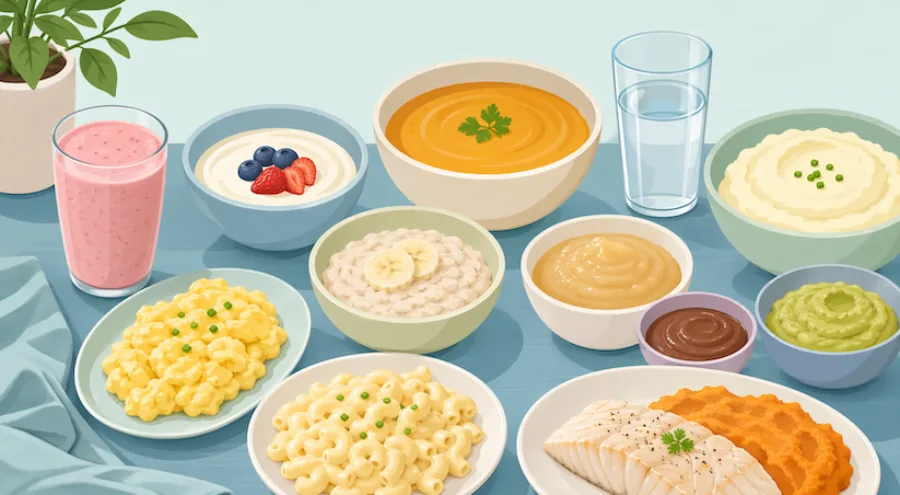
Following wisdom tooth surgery, proper nutrition is just as critical to your healing as ice packs and prescribed medications. Yet figuring out what to eat while your jaw is stiff, your gums are tender, and your extraction sockets are vulnerable is one of the most frustrating challenges patients face. Skipping meals leads to low blood sugar, fatigue, and delayed cellular repair, while eating the wrong textures risks dislodging fragile blood clots or wedging debris into surgical sites.
At Oral & Facial Surgery of Miami, board-certified oral and maxillofacial surgeon Dr. Johanny Caceres emphasizes that a structured post-operative diet promotes rapid mucosal re-epithelialization and minimizes swelling. This medically curated 7-day meal plan provides a clear, step-by-step roadmap for balanced nutrition that protects your healing jawbone.
1. Nutritional Physiology: Fueling Cellular Tissue Repair and Protecting the Blood Clot
Surgical extraction of third molars triggers an immediate, highly organized biological repair cascade. Within hours, platelets aggregate inside the empty bony alveolus to form a primary fibrin blood clot. Over the subsequent seven days, specialized fibroblast cells migrate into the clot to deposit collagen fibers, while new capillary networks (granulation tissue) sprout to restore blood supply. This intense metabolic workload requires substantial caloric intake, adequate hydration, and specific micronutrients.
Protein is vital for collagen synthesis, while vitamin C and zinc accelerate soft tissue remodeling. However, the physical mechanics of eating must never threaten the blood clot. Generating intraoral suction (such as drinking through a straw) or chewing hard, particulate foods can dislodge or dissolve the clot, causing alveolar osteitis (dry socket). The ideal recovery diet transitions deliberately from smooth, cool purees that require zero chewing to nutrient-dense, fork-tender soft solids as tissue tensile strength improves.
2. Days 1 to 3 Meal Plan: Smooth Purees, Liquid Sustenance, and Cooling Anti-Inflammatories
The first 72 hours represent the acute inflammatory window, during which facial swelling and masseter muscle stiffness reach their biological peak. During this initial stage, all meals must be entirely smooth, lukewarm or cool, and free of seeds, grains, or chewy chunks. Consuming chilled foods such as fruit smoothies (eaten with a spoon) helps soothe inflamed tissues from within the oral cavity.
Day 1 (Surgery Day): Prioritize hydration and gentle calorie replenishment once local anesthesia wears off. Excellent options include room-temperature bone broth, blended fruit smoothies packed with Greek yogurt or protein powder, creamy avocado pudding, and applesauce. Sip liquids directly from a glass or cup; never use a straw.
Day 2 (Swelling Expansion): As swelling develops, chewing remains uncomfortable. Fuel your recovery with smooth pureed butternut squash or sweet potato soup, cottage cheese, blended oatmeal thinned with milk, and chilled kefir. These provide sustaining complex carbohydrates and calcium without requiring mandibular motion.
Day 3 (Peak Inflammation Phase): As trismus peaks, introduce slightly thicker spoonable options: mashed ripe bananas with smooth peanut butter, soft silken tofu blended with savory broth, Greek yogurt drizzled with honey, and rich vegetable purees.
| Recovery Day | Recommended Food Textures | Sample Daily Menu |
|---|---|---|
| Day 1 | Strictly smooth, liquid or pureed; cool to room temperature | Breakfast: Berry-protein smoothie (spooned). Lunch: Lukewarm bone broth. Dinner: Chilled avocado pudding. |
| Day 2 | Velvety purees, strained soups, soft dairy | Breakfast: Whole-milk Greek yogurt. Lunch: Pureed butternut squash soup. Dinner: Mashed sweet potato with butter. |
| Day 3 | Thick purees, silken puddings, whipped fruit | Breakfast: Whipped banana and peanut butter. Lunch: Cream of asparagus soup. Dinner: Silken tofu with mild soy glaze. |
| Day 4 | Fork-tender soft solids requiring minimal jaw pressure | Breakfast: Soft scrambled eggs with melted cheddar. Lunch: Well-mashed avocado toast (crust removed). Dinner: Flaky poached cod with mashed potatoes. |
| Day 5 | Soft pasty grains, tender legumes, tender pasta | Breakfast: Warm creamy oatmeal. Lunch: Overcooked macaroni and mild cheese. Dinner: Slow-cooked shredded chicken in rich gravy. |
| Days 6 to 7 | Chewable soft solids; begin chewing with anterior/bicuspid teeth | Breakfast: Soft vegetable omelet. Lunch: Tuna salad with ripe avocado. Dinner: Soft meatballs with overcooked penne pasta. |
3. Days 4 to 7 Meal Plan: Transitioning to Fork-Tender Soft Solids
By Day 4, acute surgical swelling begins resolving, and you can switch from cold packs to moist heat on your cheeks. This relieves muscular stiffness and allows your jaw to open wider. At this milestone, you can begin reintroducing soft, solid textures that can be easily mashed against the roof of your mouth with your tongue or chewed lightly using your front premolars.
Day 4: Soft, buttery scrambled eggs are an outstanding source of complete protein. Pair them with tender poached white fish (such as cod or tilapia), well-cooked pastina, and creamy mashed russet potatoes.
Day 5: Expand into well-cooked macaroni and cheese, soft refried beans sprinkled with mild queso fresco, stewed lentils, and tender shredded pulled chicken that has been braised until it melts apart without chewing effort.
Days 6 & 7: Begin incorporating soft, moist meatballs in tomato puree, steamed salmon, soft vegetable frittatas, and delicate rice dishes cooked with extra broth. Always chew slowly and consciously keep food boluses toward the middle and front of your dental arch, away from the healing posterior sockets.
4. Dietary Hazard Avoidance, Oral Hygiene Protocols, and Care at OFS Miami
Knowing what foods to avoid throughout the first two weeks is just as essential as choosing the right meals. Under no circumstances should you consume foods with small, hard particulates: sesame seeds, chia seeds, poppy seeds, popcorn hulls, granola, nuts, rice grains that are firm, or potato chips. These sharp fragments can easily slide inside open socket wounds, harboring bacteria and triggering painful localized foreign-body abscesses. In addition, avoid highly acidic foods (citrus fruits, harsh vinegars) and spicy seasonings (chili peppers, hot sauces), which irritate tender granulating mucosa.
After every meal starting on Day 2, rinse your mouth gently with warm salt water (one-half teaspoon of salt in eight ounces of warm water). Never swish vigorously; simply tilt your head from side to side and allow the solution to spill out passively into the sink. If Dr. Caceres provides a curved irrigation syringe, begin using it gently on Day 7 to flush clean warm water into the lower socket crevices after eating.
At Oral & Facial Surgery of Miami, Dr. Johanny Caceres and our dedicated surgical staff provide comprehensive post-operative care tailored to each patient's individual healing pace. If you experience lingering pain, unexpected bleeding, or difficulty maintaining your nutrition, our OFS Miami office is ready to help. Contact us today at (305) 552-1193 or schedule your consultation online for specialized surgical care.