
How to Avoid Dental Problems After a Tooth Extraction
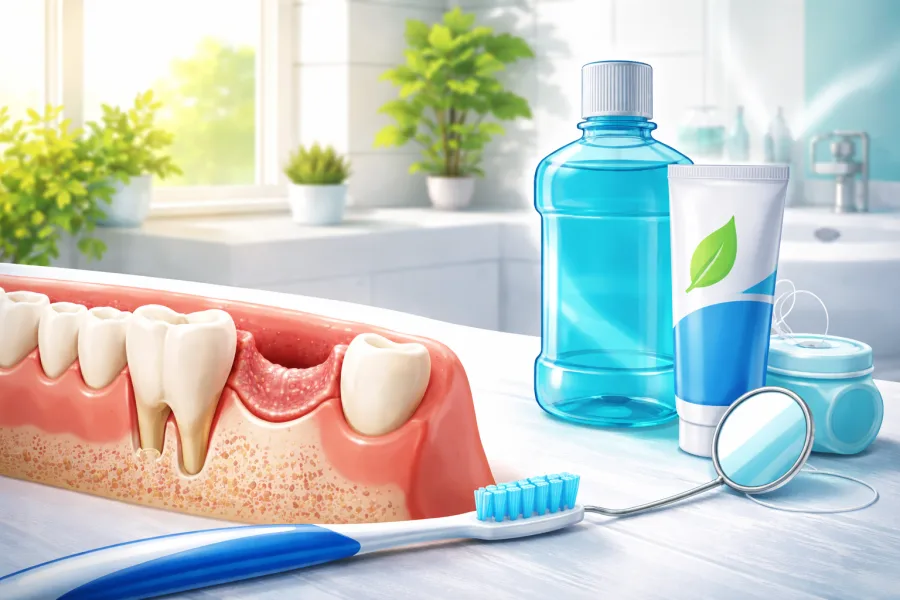
Having a tooth extracted provides immediate relief from acute pain, severe infection, or structural trauma. However, removing a tooth represents only the initial phase of long-term oral rehabilitation. Without proactive clinical planning, an empty extraction socket can lead to jawbone atrophy, tilting of neighboring teeth, bite misalignment, and premature facial aging.
At Oral and Facial Surgery of Miami, board-certified oral and maxillofacial surgeon Dr. Johanny Caceres focuses on comprehensive socket preservation and long-term functional stability. Understanding the biological changes that occur following extraction allows you to prevent structural complications and safeguard your smile.
Immediate Post-Extraction Biological Healing Dynamics
In the initial days following tooth removal, your body initiates a rapid healing cascade. A stable blood clot fills the alveolar socket, serving as a biological shield for exposed bone and nerve endings. Within forty-eight hours, capillary ingrowth begins, and fibroblasts begin laying down a collagen matrix.
Protecting this early clot is vital to prevent alveolar osteitis (dry socket). Dislodging the clot through smoking, drinking through a straw, or vigorous rinsing halts healing and invites bacterial contamination. By following precise post-operative protocols, you ensure the socket transitions smoothly from soft granulation tissue to mineralized bone.
| Post-Extraction Timeline | Biological Structural Risk | Clinical Mechanism of Harm | Preventative Surgical Protocol |
|---|---|---|---|
| Days 1 to 7 (Acute Healing) | Dry socket, secondary localized infection | Clot dislodgment exposing bare cortical bone | No straws, gentle head tilting, warm salt water |
| Weeks 4 to 12 (Bone Remodeling) | Horizontal and vertical ridge resorption | Loss of tooth stimulation triggers osteoclastic bone loss | Socket preservation bone grafting at extraction |
| Months 6 to 12+ (Long-Term Neglect) | Adjacent tooth tilting, opposing supra-eruption | Arch instability, bite collapse, TMJ strain | Timely dental implant placement to restore contact |
Alveolar Ridge Resorption and Adjacent Tooth Shifting
Alveolar bone exists solely to support dental roots. When a tooth is removed, the absence of natural chewing forces signals the body that the surrounding bone is no longer needed. During the first twelve months after extraction, the jawbone can lose up to fifty percent of its horizontal width.
As the ridge shrinks, neighboring teeth on either side lose lateral support and begin tilting toward the gap. Simultaneously, the opposing tooth in the opposite arch begins supra-erupting into the empty space because it lacks an antagonist to bite against. This shifts your entire occlusion, creating hard-to-clean food traps, premature periodontal bone loss on healthy teeth, and persistent temporomandibular joint (TMJ) strain.
Socket Preservation Bone Grafting and Dental Implants
The most effective way to avoid post-extraction dental complications is performing socket preservation bone grafting at the exact moment of extraction. Dr. Caceres places specialized mineralized bone particulate into the empty socket, sealing it with a collagen membrane and dissolving sutures.
This graft maintains the natural height and contour of your alveolar ridge, preventing structural collapse while new native bone forms. Once the site matures, placing a titanium dental implant permanently halts bone resorption. Unlike traditional dental bridges that require grinding down adjacent healthy teeth, an implant integrates directly into the jaw, acting as an artificial tooth root that restores full chewing power and natural aesthetics.
Specialized Surgical Protocols at OFS Miami
At our practice, we approach every tooth extraction with a clear roadmap for long-term oral health. Dr. Johanny Caceres uses low-trauma micro-surgical instruments that protect the delicate facial bone plate during removal.
our surgical center features low-dose 3D digital imaging to evaluate bone density and plan precise implant positioning. Whether you require a single tooth extraction or full-arch replacement, our team ensures your procedure is seamless, comfortable under outpatient IV twilight sedation, and engineered to safeguard your smile for decades to come.
Prevent long-term dental complications after a tooth extraction. Contact Oral and Facial Surgery of Miami at (305) 552-1193 or book your consultation online today.