
Different Types of Sleep Apnea: Obstructive, Central, and Complex
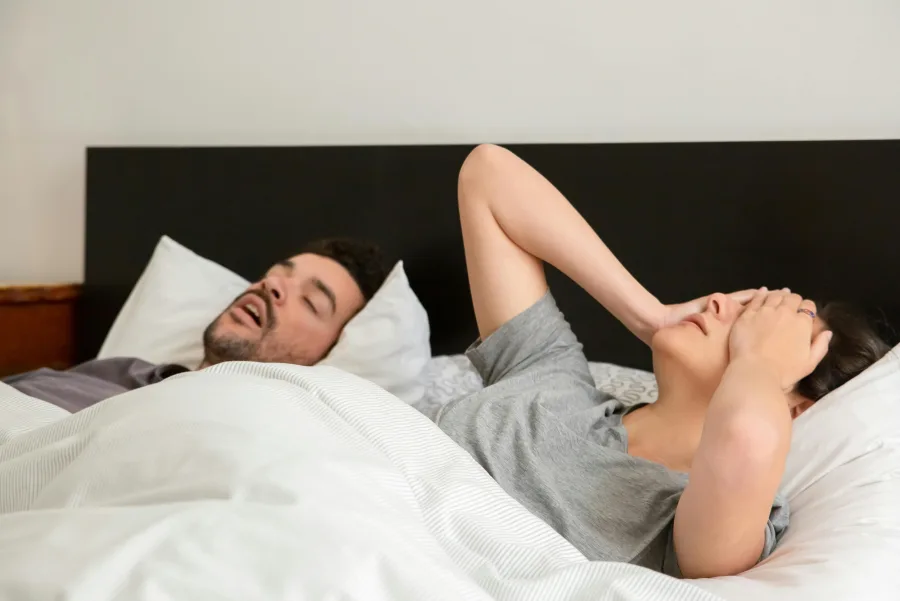
Waking up unrefreshed, struggling through afternoon brain fog, or having a sleep partner complain about gasping and choking during the night are common signs of sleep-disordered breathing. Sleep apnea is often treated as a singular condition, but it actually encompasses three distinct medical disorders: Obstructive Sleep Apnea (OSA), Central Sleep Apnea (CSA), and Complex (Treatment-Emergent) Sleep Apnea.
Because each form originates from different physiological mechanisms, pinpointing the exact type is critical to choosing the right treatment. While continuous positive airway pressure (CPAP) therapy is widely prescribed, millions of patients find masks intolerable or fail to achieve complete relief. Understanding the anatomic and neurological differences between these conditions empowers you to explore definitive solutions, including corrective jaw and airway surgery.
1. The Three Forms of Sleep Apnea: Mechanical Blockage vs. Brain Signaling
The diagnostic difference between the three forms of sleep apnea lies in whether respiratory effort continues while airflow ceases:
| Sleep Apnea Type | Primary Underlying Mechanism | Chest Wall & Diaphragm Motion |
|---|---|---|
| Obstructive Sleep Apnea (OSA) | Physical collapse of pharyngeal soft tissues, soft palate, or tongue base blocking the upper airway. | Active, forceful respiratory effort continues as chest and abdominal muscles struggle against the closed throat. |
| Central Sleep Apnea (CSA) | Neurological communication breakdown; the brainstem respiratory center fails to send rhythmic signals to breathing muscles. | No respiratory effort occurs; chest wall remains motionless during the apneic pause until carbon dioxide levels trigger an arousal. |
| Complex (Treatment-Emergent) Sleep Apnea | Mixed pattern where a patient presenting with severe OSA develops central apneas once positive pressure (CPAP) opens the mechanical airway. | Transitions between struggling against physical obstruction and complete cessation of respiratory drive. |
Obstructive Sleep Apnea represents roughly 85% of all sleep apnea cases, while Central Sleep Apnea accounts for fewer than 5% (frequently linked to congestive heart failure, prior stroke, or chronic opioid use). Complex sleep apnea accounts for the remaining 10% to 15%, requiring careful titration by sleep medicine physicians.
2. The Systemic Toll: Why Chronic Nocturnal Hypoxia Threatens Health
Sleep apnea is not just a nighttime annoyance; it is a progressive cardiovascular and metabolic disease. During each apneic episode, blood oxygen saturation can plummet from normal levels (95% to 100%) down to 70% or lower.
When oxygen crashes, the brain sounds an emergency alarm, flooding the bloodstream with epinephrine and norepinephrine. This nocturnal fight-or-flight surge causes:
- Refractory Hypertension: Blood vessels constrict violently hundreds of times each night, leading to daytime high blood pressure that does not respond to standard medications.
- Cardiac Arrhythmias & Atrial Fibrillation: Severe oxygen swings strain the heart chambers, dramatically increasing the risk of stroke and sudden nocturnal cardiac events.
- Metabolic Disruption: Intermittent hypoxia damages pancreatic beta-cell function and worsens systemic insulin resistance, contributing to type 2 diabetes and difficult weight gain cycles.
- Cognitive Impairment & Micro-Sleeps: Fragmented slow-wave sleep prevents neurological detoxification, causing memory lapses, morning headaches, and dangerous drowsy-driving incidents.
3. Treatment Pathways: CPAP, Oral Appliances, and Surgical Solutions
Managing sleep apnea depends on its primary classification. For Central Sleep Apnea, optimizing underlying cardiac medications or utilizing adaptive servo-ventilation (ASV) is primary. For Obstructive Sleep Apnea, treatment options range from mechanical support to permanent surgical airway expansion:
- Continuous Positive Airway Pressure (CPAP): The traditional first-line therapy pushes pneumatic air splints through a facial mask. While effective on paper, clinical studies show that up to 50% of patients abandon CPAP within the first year due to mask discomfort, claustrophobia, skin irritation, or nasal dryness.
- Mandibular Advancement Devices (MAD): Custom oral appliances fabricated by dental specialists hold the lower jaw slightly forward during sleep, maintaining patent retroglossal space for mild to moderate OSA.
- Maxillomandibular Advancement (MMA Surgery): For moderate to severe OSA patients with structural airway collapse or CPAP intolerance, MMA is the gold-standard surgical cure. By surgically advancing both the upper jaw (maxilla) and lower jaw (mandible) forward by 10 to 12 millimeters, the entire pharyngeal airway is dramatically expanded in three dimensions, pulling the soft palate, tongue base, and lateral pharyngeal walls forward permanently. Studies document success rates exceeding 85% to 90% in eliminating CPAP dependence.
4. Comprehensive Airway Evaluation at Oral & Facial Surgery of Miami
You do not have to spend the rest of your life tethered to a noisy machine to breathe comfortably at night. At our practice, board-certified oral and maxillofacial surgeon Dr. Johanny Caceres provides advanced surgical evaluations for sleep-disordered breathing and obstructive sleep apnea.
Using state-of-the-art 3D Cone Beam CT technology, Dr. Caceres measures your exact airway volume, cross-sectional area, and identifies anatomical choke points behind the palate and tongue. Together with your sleep physician, our team designs individualized surgical plans, from minimally invasive genioglossus advancements to complete maxillomandibular reconstruction.
Take the first step toward restorative sleep and long-term cardiovascular health. Contact our Coral Gables office at (305) 552-1193 or request your sleep apnea consultation online.