
When Should Wisdom Teeth Be Removed? Warning Signs to Know
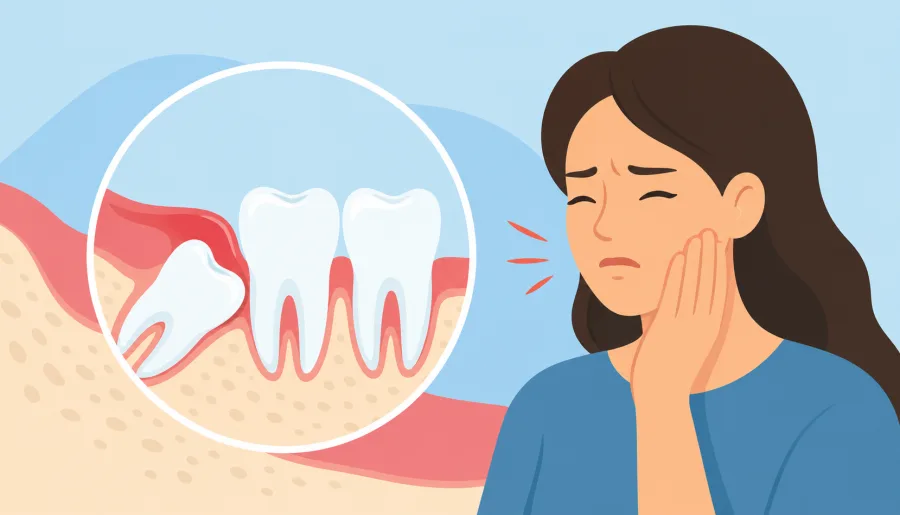
Deciding when to remove wisdom teeth is one of the most significant oral health decisions young adults and parents face. Because third molars are the last permanent teeth to develop, they frequently encounter crowded jaw conditions that prevent normal, functional eruption. Understanding the optimal biological window for removal and knowing which symptoms signal urgency ensures that you take action before irreversible complications arise.
At Oral and Facial Surgery of Miami, board-certified oral and maxillofacial surgeon Dr. Johanny Caceres utilizes advanced 3D imaging to determine the exact developmental stage of third molars. Knowing when to proceed with extraction protects surrounding teeth and ensures the fastest, most comfortable recovery possible.
The Ideal Biological Window: Ages 16 to 24
In oral and maxillofacial surgery, clinical data consistently demonstrates that late adolescence and early adulthood (between ages 16 and 24) represent the golden window for third molar removal. During these years, tooth roots are only one-half to two-thirds formed, ending in open, rounded apices.
At this stage, these developing roots are still safely separated from the inferior alveolar nerve canal that runs through the lower jaw. In addition, the jawbone in young patients is relatively supple and vascular, which allows the surgeon to elevate teeth with minimal resistance. Younger individuals also possess superior cellular healing kinetics, bouncing back from surgery and resuming normal activities in as little as two to three days.
| Age Category | Root & Bone Characteristics | Clinical Recovery Profile | Surgical Timing Recommendation |
|---|---|---|---|
| Ages 16 to 19 | Roots 1/2 to 2/3 formed; supple, vascular bone | Rapid 2 to 3 day recovery, minimal complications | Premier preventative window for removal |
| Ages 20 to 24 | Roots nearing completion; bone density increasing | Predictable 3 to 4 day healing, low dry socket rate | Highly recommended before root apices fully close |
| Ages 25 to 35 | Fully closed root tips, sharp hooks, rigid bone | 5 to 7 day recovery, increased post-op soreness | Extract if impacted, symptomatic, or causing decay |
| Ages 36 and Older | Hyperdense bone, root ankylosis, medical factors | Longer healing period, careful medication coordination | Indicated for active dental pathology or bone loss |
Active Warning Signs Demanding Prompt Removal
If you are past your early twenties, you should not wait for severe emergencies before seeking an evaluation. Several active clinical warning signs indicate that wisdom teeth must be removed promptly:
Recurrent Pericoronal Swelling: An inflamed, tender gum flap covering a partially erupted tooth traps food debris and bacteria, causing painful flare-ups and foul breath.
Pain in the Second Molar: Pressure from an angled third molar pushes against the adjacent second molar, causing deep root caries or external root resorption.
Jaw Stiffness and Facial Aches: Inability to open the mouth fully (trismus) or pain radiating into the temple and neck indicates that inflammation is spreading into major masticatory muscles.
The Long-Term Consequences of Delayed Extraction
Waiting until your thirties, forties, or fifties to address retained wisdom teeth carries significant biological trade-offs. Over decades, mature root apices can fuse directly to surrounding bone (ankylosis) or wrap tightly around the sensory nerve canal.
In addition, un-erupted teeth can form expanding dentigerous cysts that hollow out mandibular bone, predisposing the jaw to fractures. Post-operative recovery in older adults is typically longer, and underlying medical conditions such as high blood pressure or blood thinners add clinical complexity. Taking action proactively eliminates these compounding risks.
Precision 3D Diagnostics and Patient-First Care at OFS Miami
At our practice, Dr. Johanny Caceres uses cutting-edge 3D Cone Beam CT scans to assess your wisdom teeth with sub-millimeter precision. This allows us to determine whether your third molars can safely remain in place or require prompt extraction.
If surgery is recommended, our surgical center provides gentle outpatient IV twilight sedation. You can rest comfortably and awaken with complete amnesia of the procedure, knowing your dental health is protected for the future.
Find out if it is time to remove your wisdom teeth. Call Oral and Facial Surgery of Miami today at (305) 552-1193 or schedule your 3D evaluation online today.