
7 Signs You Need Your Wisdom Teeth Removed
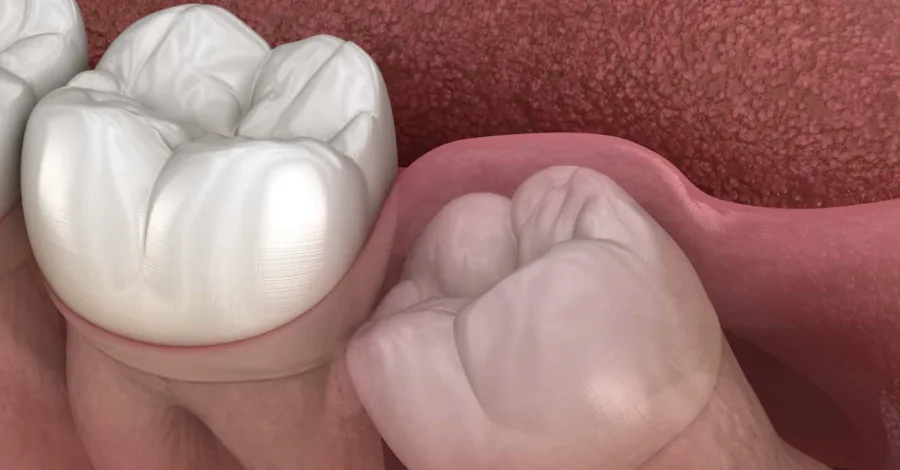
Third molars are notorious for creating complications as they attempt to enter an already crowded mouth. While some individuals have ample jaw room for clean eruption, the vast majority experience varying degrees of impaction. Ignoring the initial signals that your wisdom teeth need removal often leads to chronic discomfort, compromised adjacent teeth, and complex surgical interventions later in life.
At Oral and Facial Surgery of Miami, board-certified oral and maxillofacial surgeon Dr. Johanny Caceres diagnoses and treats impacted third molars using cutting-edge technology. Recognizing the seven most frequent indicators that your wisdom teeth need to come out helps you take decisive action before irreversible damage occurs.
Primary Signs: Persistent Posterior Jaw Pain, Swelling, and Gum Irritation
The earliest and most obvious warning signs involve acute soft tissue inflammation. When a third molar only partially emerges, it leaves a flap of gum tissue called an operculum draping over the enamel crown. Food debris and bacterial plaque collect under this flap, causing painful pericoronitis.
Patients frequently notice throbbing pain at the angle of the jaw, localized gum swelling, and bleeding during normal brushing. If left unaddressed, this bacterial inflammation spreads into the adjacent masseter chewing muscles, causing trismus (inability to open your jaw comfortably) and difficulty swallowing.
| Warning Sign | Pathological Mechanism | Clinical Risk | Definitive Surgical Solution |
|---|---|---|---|
| 1. Gum Inflammation | Pericoronitis beneath operculum | Spreading soft tissue infection | Surgical tooth extraction and debridement |
| 2. Dull Jaw Throbbing | Root pressure against bone | Chronic ache radiating to ears | Minimally invasive tooth sectioning |
| 3. Adjacent Molar Decay | Plaque retention at root contact | Loss of valuable second molar | Proactive extraction to save second molar |
| 4. Chronic Bad Breath | Anaerobic bacteria accumulation | Halitosis and foul oral taste | Elimination of bacterial nesting pocket |
| 5. Sinus Pressure | Upper roots encroaching sinus floor | Chronic congestion and headaches | Gentle extraction protecting Schneiderian membrane |
| 6. Chewing Discomfort | Supra-eruption and cheek biting | Mucosal ulcerations and bite shift | Removal of malpositioned third molar |
| 7. Cysts on X-Rays | Fluid collection in dental follicle | Mandibular bone thinning / fracture | Complete cyst enucleation and extraction |
Collateral Risks: Second Molar Decay, Cyst Formation, and Sinus Discomfort
Beyond localized gum tenderness, retained wisdom teeth create severe collateral consequences. When a lower third molar grows horizontally, its crown pushes directly against the root of the second molar. This creates an un-cleanable biological niche where bacterial acid rots the neighboring tooth below the gumline or causes external root resorption.
In addition, completely un-erupted teeth can form dentigerous cysts. These expanding sacs destroy healthy jawbone from within, predisposing the jaw to fractures. In the upper jaw, expanding third molar roots frequently penetrate the maxillary sinus cavity, causing sinus fullness, nasal drip, and persistent headaches.
Chewing Difficulties, Bite Shifts, and Orthodontic Crowding
When wisdom teeth erupt partially or out of alignment, they often tilt buccally toward the cheeks. This abnormal positioning causes patients to repeatedly bite their inner cheek lining while eating, producing painful mucosal ulcers.
In addition, partially erupted teeth can alter your functional chewing envelope. Because they rarely occlude evenly with opposing teeth, they force your jaw to shift unnaturally during mastication. This can trigger muscle fatigue, temporomandibular joint (TMJ) strain, and tension in the facial musculature.
Safe Evaluation and Gentle IV Sedation at OFS Miami
If you recognize any of these seven warning signs, prompt specialist evaluation is essential. At our practice, Dr. Johanny Caceres uses advanced 3D Cone Beam CT scans to examine the depth, root geometry, and neural proximity of your wisdom teeth.
our modern surgical center specializes in outpatient IV twilight sedation. You can sleep peacefully through your procedure, waking up comfortable and relieved that your problem teeth have been safely removed.
Protect your smile from complications before they escalate. Call Oral and Facial Surgery of Miami at (305) 552-1193 or schedule your appointment online today.